
















Evil eye amulets have become widely popular as both spiritual symbols and fashion accessories. However, with rising demand, fake and low-quality versions have also entered the market.
Understanding the difference between a real and fake evil eye helps you choose a piece that is not only visually appealing but also meaningful and well-crafted. In this guide, you’ll learn how to easily identify authenticity using practical checks like material, weight, colour depth, and craftsmanship.
What is an Evil Eye Amulet?
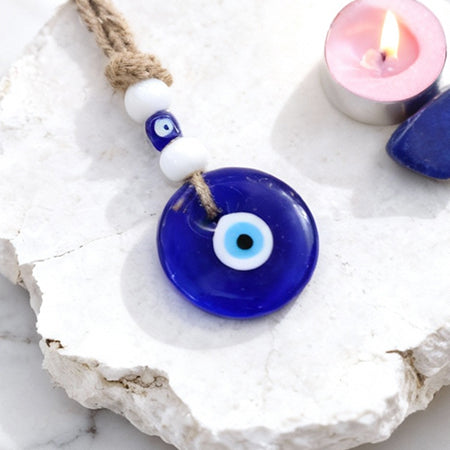
The evil eye is a traditional symbol believed to protect against negative energy and ill intentions. It is commonly seen as a blue eye-shaped charm used in jewelry, home decor, and accessories.
Key Origins & Meaning:
- Originates from regions like Turkey, Greece, and the Mediterranean
- Symbolizes protection, awareness, and positive energy
- Traditionally handcrafted using glass techniques
- Each piece is unique due to artisan craftsmanship
- Represents mindfulness rather than fear or superstition
To explore more, read our detailed guide on evil eye stone meaning, uses, significance, and benefits.
Materials Used to Make Evil Eye Amulets
Understanding materials is the first step in identifying authenticity.
|
Material |
Authentic Signs |
Fake Signs |
Price Range |
| Glass | Cool touch, slightly heavy, layered deep colour |
Very light, flat colour, overly perfect finish |
₹300–₹1500+ |
| Metal (Silver/Gold) | Hallmarked, solid weight, natural aging | No stamp, artificial shine | ₹800–₹2000+ |
| Resin | Lightweight but smooth finish |
Often passed as glass in fakes |
Under ₹200 |
| Ceramic/Clay |
Hand-painted variations, slight texture | Too uniform, machine-made look |
₹300–₹800 |
Real vs Fake Evil Eye Amulet: Key Differences
This is the most important comparison to understand authenticity quickly.
| Feature |
Authentic Evil Eye |
Fake Evil Eye |
| Weight | Heavy and solid | Light, plastic-like |
| Colour Depth | Layered, rich blue tones | Flat, painted look |
| Eye Symmetry | Perfectly centered | Off-centre or uneven |
| Surface Feel | Smooth with slight natural variation | Overly uniform |
| Temperature | Feels cool to touch | Neutral or warm |
| Smell | Odourless | Chemical or plastic smell |
| Price | ₹300 and above | Very cheap (<₹100) |
| Packaging | Comes with pouch/care info | Basic plastic packaging |
How to Identify an Authentic Evil Eye (Step-by-Step Guide)
You don’t need expert knowledge; just follow these simple steps:
Step 1: Check Weight & Feel
Hold the amulet in your hand. Authentic glass or metal pieces feel heavier and naturally cool.
Step 2: Observe Symmetry
The concentric circles should be perfectly centered. Any imbalance suggests poor quality.
Step 3: Inspect Colour Depth
Real glass has layered, deep blue tones. Fake ones look flat or printed.
Step 4: Smell Test
Warm it slightly in your palm. Authentic pieces are odourless, while fake ones may smell like plastic.
Step 5: Check Craftsmanship
Look at both sides. Real amulets show finishing detail even at the back.
Step 6: Verify Seller Information
Trusted sellers clearly mention:
- Material details
- Origin
- Return/exchange policy
- Authenticity assurance
Physical Tests to Check the Authenticity of an Evil Eye Charm
Authentic glass or resin products can often be distinguished through simple physical checks. While these methods are not fully scientific, they help identify obvious fakes when used together. Below are some commonly used tests and what they indicate.
- Cold Test: Real glass tends to feel cooler to the touch and retains that coolness longer when held against skin. Plastic or low-quality resin warms up quickly because it does not conduct heat as effectively.
- Weight Test: Genuine glass is generally denser and feels noticeably heavier compared to plastic or imitation materials of the same size. Lightweight pieces may indicate synthetic substitutes.
- Scratch Test: Glass is harder and more resistant to surface scratches, whereas plastic or soft resin can get marked more easily with light abrasion. This helps distinguish durable glass from softer fakes.
- UV Test: Under ultraviolet light, certain resins or synthetic materials may show a glow or fluorescence, while authentic glass usually remains unchanged and does not react visibly.
- Water Test: In some low-quality fakes, dyes or coatings may bleed or fade when exposed to water. Real glass remains stable and does not release color or change appearance.
Together, these tests provide a practical way to evaluate authenticity, especially when documentation or certification is not available. However, for high-value items, professional verification is always recommended for accuracy.
Signs of a Fake Evil Eye Amulet
With the growing popularity of evil eye amulets, counterfeit and low-quality versions have become increasingly common in the market. Knowing the key signs of imitation helps you avoid misleading purchases and choose a more authentic piece.
- Asymmetrical or uneven eye design
- Very lightweight feel
- Flat or painted colour
- Chemical or plastic smell
- Extremely low price
- No seller or origin details
- Loose glue or poor finishing
- Colour bleeding in water
Real vs Fake Evil Eye Jewelry
As Evil Eye jewelry trends continue to rise globally, it’s important to understand the difference between traditionally crafted pieces and mass-produced alternatives. Careful inspection of design and materials can help you identify genuine quality.
- Authentic: Strong thread, heavy beads, durable clasp
- Fake: Thin elastic, weak string, poor finishing
- Authentic: Glass pendant, 925 silver stamps (if metal used)
- Fake: Painted enamel, hollow pendant
Ring:
- Authentic: Secure stone setting, hallmark stamps
- Fake: Glue-based or loose-fitting design
Are you willing to know more about the different types of evil eye? Read our complete guide to discover which type is right for you.
Where to Buy Authentic Evil Eye Amulets?
When buying one, authenticity matters, as genuine pieces often carry both craftsmanship and cultural significance that mass-produced versions lack. Here are some things you can check to avoid ending up with fake ones.
Trusted seller signs:
- Clear material and origin details
- Transparent pricing
- Return or exchange policy
- Verified product descriptions
Red flags:
- No product information
- Extremely low prices
- No brand identity or seller details
Explore the authentic range of an evil eye collection on our Astroyogi Store.
Common Mistakes to Avoid
- Choosing based only on price
- Ignoring weight and material
- Not checking the seller's authenticity
- Buying without a return policy
- Confusing decorative items with spiritual ones
-
Assuming a high price always means authenticity
Conclusion
Identifying a real evil eye amulet becomes simple when you understand what to look for. Focus on material, weight, symmetry, and seller credibility rather than just appearance.
A genuine evil eye is not only about looks, it reflects craftsmanship, tradition, and meaning. Always take a moment to check details before making a purchase so you choose something authentic and long-lasting.
FAQs
1.) Can fake evil eye amulets look similar to real ones?
Yes, fake amulets can look very similar at first glance. The difference becomes clear when you check weight, material, and colour depth. Real ones feel heavier and have more depth compared to flat, lightweight imitations.
2.) Can the colour of an evil eye fade if it is fake?
Yes, fake amulets often use surface paint or dye that can fade or peel over time. Authentic glass pieces usually retain their colour much longer because the colour is part of the material itself.
3.) Can authentic evil eye amulets lose their shine over time?
They may lose a bit of shine with use, especially metal parts, but this is natural. It does not reduce their quality and can often be restored with simple cleaning.
4.) Is it safe to wear an evil eye amulet every day?
Yes, many people wear it daily as part of their routine. Just make sure it is well made and comfortable so it lasts longer with regular use.


