

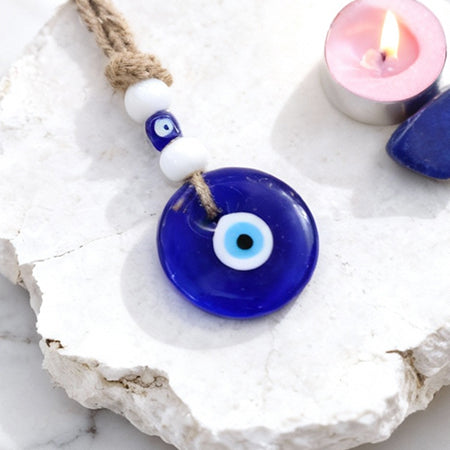


















Have you seen the 🧿 emoji anywhere and everywhere? This is an evil eye symbol, which you may have seen on Instagram bios, comments, or even in the form of jewelry, phone covers, clothes, and even as a piece of decor. Right?
But have you ever wondered why this symbol suddenly became part of modern style and identity? This also raises a question: Does an evil eye really exist, or is it simply an old superstition that survived centuries?
Some people strongly believe in its effectiveness, while others call it superstition. So, let’s explore the facts and myths behind the evil eye and help you decide what you believe.
Does Evil Eye Really Exist?
The concept of Evil Eye has existed for ages, probably over 5,000 years. The evil eye isn’t real according to science, but it's a widespread cultural belief.
However, psychology does agree on how negative intentions, envy, and constant judgment can affect emotional well-being. Many cultures believe that harmful energy, be it intentional or unintentional, can disturb the inner peace and balance.
So, does the evil eye really exist? Its truth may not lie in measurable science, but in how belief systems influence mindfulness and emotional protection. For many, wearing the symbol acts as a safety that stays grounded, confident, and protected from negativity.
Understanding the evil eye meaning can help you appreciate why this symbol has endured for thousands of years and why so many people still use it today.
Evil Eye History Beyond Trend
The evil eye is older than our modern culture. It comes from ancient Mesopotamia over 5,000 years ago, making it one of the oldest symbols of protection ever used by humans. Over time, it spread across cultures, including Islam, Judaism, and even Hinduism.
Despite cultural differences, the belief remains similar everywhere. A look filled with envy or jealousy is believed to cause misfortune. These shared beliefs are the basis of many evil eye stories and still make you wonder: Does the evil eye exist in different cultures, or is it something in human psychology?
Over time, believers have created different types of evil eye charms, each with unique designs, colors, and purposes, reflecting centuries of cultural adaptation.
10 Facts vs. Myths of The Evil Eye Symbol
Now that you know the Evil Eye charm has traveled through centuries as a symbol of protection, belief, and cultural storytelling. Over time, facts and myths have blended. Here’s a clear, original breakdown of 10 commonly discussed ideas, separating belief-based myths from widely accepted facts.
| Sr. No. | Myths | Facts |
| 1. | The crystal itself causes bad luck if someone looks at it the wrong way. | The Evil Eye crystal is traditionally worn as a protective symbol against negative intentions or jealousy. |
| 2. | Wearing the Evil Eye means you are constantly surrounded by negative energy. | Many cultures view the symbol as a reminder to stay emotionally balanced and aware of one’s surroundings. |
| 3. | The Evil Eye only works if it is gifted and never if you buy it yourself. | The crystal’s popularity has grown because it combines cultural meaning with aesthetic jewelry design. |
| 4. | Each color has a guaranteed supernatural power that works the same for everyone. | Different colors of Evil Eye crystals are often chosen for personal meaning or style preference. |
| 5. | The Evil Eye must be worn at all times or misfortune will immediately follow. | The symbol is commonly used in jewelry, décor, and accessories as a sign of mindfulness and protection has nothing to do with misfortune or bad luck. |
| 6. | A broken Evil Eye charm is usually just a result of wear and tear, like any other object. | A broken crystal is believed to absorb an attack of negative energy. Means the charm has done its work. |
| 7. | The Evil Eye can replace practical actions like planning, effort, or self-care. | Many people find emotional comfort and confidence when wearing symbolic jewelry like the Evil Eye. |
| 8. | Wearing the Evil Eye without knowing its history brings bad consequences. | The symbol has been adapted by modern fashion while still respecting its cultural roots. |
| 9. | Only certain cultures or people are allowed to wear the Evil Eye symbol. | The Evil Eye crystal is not limited to any culture, people, or human beings. It can be worn by anyone who is seeking a feeling of protection. |
| 10. | The Evil Eye crystal guarantees protection from all harm and misfortune. | Its lasting appeal comes from tradition, storytelling, and personal belief rather than science. |
The Evil Eye crystal fits at the intersection of culture, belief, and personal meaning. While myths give it mystery, its real power is in how you connect with it, whether as a protective symbol, a fashion statement, or a reminder to live with positive intention.
Some believers wear the charm believing that the evil eye protects relationships, guarding them from envy and negative intentions from others.
How Does the Evil Eye Work Today?
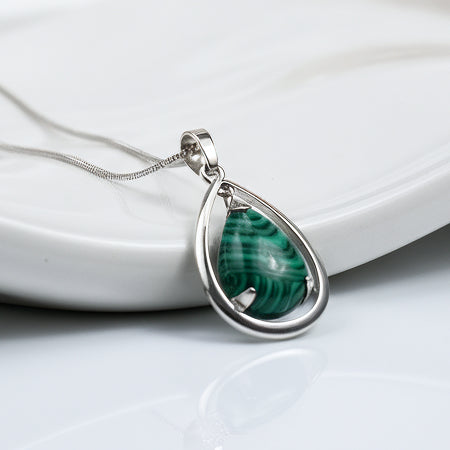
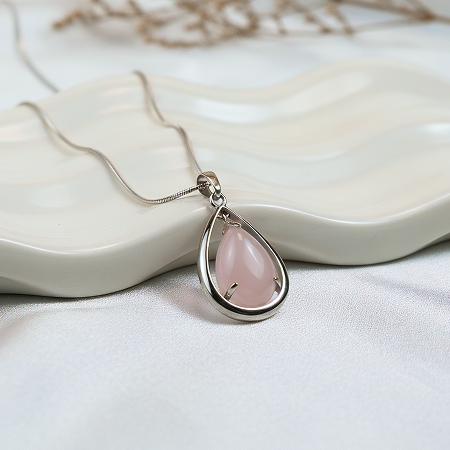
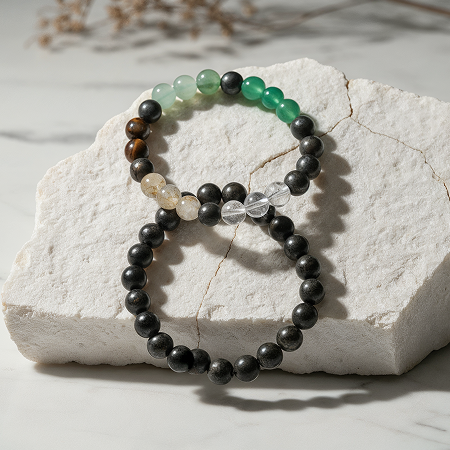
Nowadays, the use of the evil eye extends the boundaries of traditions and culture into our lifestyle. Hence, most people place evil eye charms in different forms, for example, placing a piece of decor in their homes, offices, and cars, or wearing an evil eye bracelet to ensure safety and protection. You may have seen it in cloth prints, jewelry designs, and keychains, or dream catchers, as a style statement or spiritual shield.
You may have seen celebrities and public figures wear evil eye jewelry, such as the evil eye pendant, bracelet, or evil eye anklet, to protect themselves from constant attention and pressure. From a psychological perspective, wearing the symbol can offer a sense of security and calm, often explained through the placebo effect, helping individuals feel protected and confident.
Do you believe the evil eye is real? Then check out our evil eye collection on Astroyogi Store to find what resonates with you.
At the End
The evil eye stands at the intersection of ancient belief and modern lifestyle. Whether viewed as spiritual protection or psychological comfort, it continues to hold meaning across cultures and generations. Its lasting presence proves that symbols do not need scientific proof to be powerful. They only need belief, intention, and relevance in everyday life.


